Identifying the causes of rising damp in buildings
Rising damp is a recurring problem in many buildings, both old and new. This phenomenon not only affects the aesthetics of buildings but can also compromise their structural integrity. Identifying the causes of this damp is essential for developing effective prevention and treatment strategies. Below, we'll explore rising damp and its effects on buildings in depth.
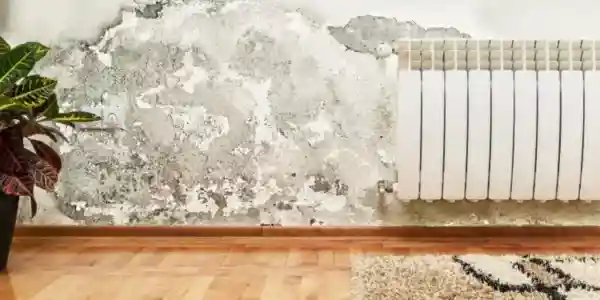
Capillarity: a phenomenon that affects buildings
Capillarity is the movement of water through porous materials due to surface tension. In simple terms, it refers to the ability of water to rise against the force of gravity through tiny pores in the material. This phenomenon is exacerbated in structures with highly permeable materials, such as bricks and mortar, which facilitate the passage of water. Capillarity becomes a critical issue when water from the ground rises up the walls, causing dampness.
In many cases, capillary action can be a direct result of a lack of insulation at the base of buildings. Poor design or the absence of moisture barriers allows water to rise from the ground into the building. This is especially problematic in areas with a high water table, where the constant presence of water increases hydrostatic pressure on structures.
Furthermore, climatic conditions also play a crucial role in the development of capillary damp. In regions with high rainfall, the soil tends to be saturated with water, increasing the likelihood of liquid penetrating building materials. This phenomenon not only affects the lower part of walls but can also spread to other areas of the building.
Finally, it's important to note that rising damp not only involves visible moisture on walls, but can also lead to the growth of mold and mildew, further deteriorating air quality and the health of occupants. Therefore, recognizing and understanding this phenomenon is vital for any homeowner or construction professional.
Main factors that cause rising damp
One of the most significant factors contributing to rising damp is the quality of the building materials used. Untreated or inherently porous materials can easily allow water to infiltrate. For example, the use of mortars and concretes without waterproofing additives can facilitate rising water up walls.
Another factor to consider is the lack of adequate drainage around the building. Water accumulating in the soil around structures without an effective drainage system can cause moisture to penetrate the foundation. This is exacerbated by soil compaction, which can create high hydrostatic pressure conditions.
Geographic location also influences the appearance of rising damp. Buildings located in areas with a high water table, such as near rivers or lakes, are more likely to experience this problem. When the groundwater level is high, the pressure it exerts on the foundations can facilitate the rise of water toward the structures.
Likewise, changes in building use, such as modifying the surroundings or constructing new structures that create shade or alter air circulation, can impact rising damp. This alteration in natural conditions can trigger an increase in the moisture content of building materials, exacerbating the problem.
Consequences of humidity in the structure
Rising damp is not just an aesthetic problem; its consequences can be devastating to the structural health of a building. One of the most obvious effects is the deterioration of building materials. The constant presence of water can weaken mortar, cause wood to rot, and affect the integrity of concrete, which can lead to costly repairs.
Furthermore, this type of humidity can promote the growth of microorganisms, such as mold and mildew, which not only damage the walls but also pose health risks to the occupants. Exposure to these microorganisms can cause respiratory illnesses and allergies, affecting the quality of life inside the building.
From an economic perspective, rising damp can significantly impact property value. Potential buyers often reject properties with obvious damp problems, which can result in a reduction in market value. The investment required to repair damp damage can be significant and sometimes exceed the value of the property itself.
Finally, dampness can also affect the energy efficiency of buildings. The presence of moisture in walls can reduce the efficiency of heating and cooling systems, thus increasing energy costs. This not only impacts owners but also contributes to higher energy consumption, which has broader implications for the environment.
Strategies to prevent and treat hair moisture
Preventing rising damp begins with proper design from the construction phase. Incorporating impermeable barriers in the foundation and using materials with water-repellent properties can make a significant difference in a building's resistance to moisture. Furthermore, it is crucial to ensure an efficient drainage system that allows water to drain properly around the building.
Regular maintenance also plays a key role in preventing damp. Regular inspections for signs of moisture and immediate repairs can prevent small problems from becoming major disasters. Cleaning gutters and ensuring drains are clear of blockages are essential to prevent water accumulation.
If rising damp is already present, there are various treatment techniques. These include waterproofing resin injection systems that can seal the pores of the material and prevent water from rising. It is also possible to apply products that reinforce the structure and repair the damage caused by damp.
Finally, it's advisable to consult with experts in the field to develop a specific plan that addresses the unique characteristics of each building. The experience of professionals in identifying and treating dampness will ensure that the solutions adopted are effective and long-lasting, thus protecting the integrity of the building's heritage.
Rising damp requires attention and understanding to mitigate its effects on buildings. Identifying its root causes and establishing prevention and treatment strategies will not only protect the investment made in the property but also ensure the health and well-being of its occupants. Proper intervention can make the difference between a long-lasting building and one compromised by constant damp damage.

0 Comments