ephemeral installation

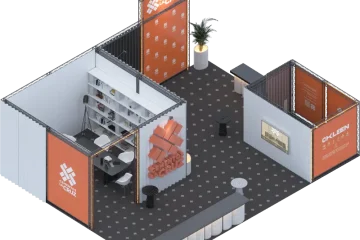
Ephemeral Architecture: Designs for Events and Exhibitions

Ephemeral architecture defies permanence, creating structures designed to last for hours, days, or months. From festivals like Burning Man to World's Fair pavilions, these designs combine functionality, creativity, and sustainability to generate emotional and cultural impact. Their essence lies in adaptability: lightweight materials, rapid assembly, and narratives. read more
By Basilio, hace

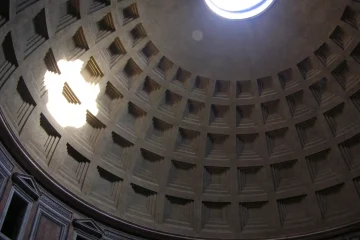
The evolution of construction materials

The history of humanity is written in its building materials. Every technological leap, from caves to skyscrapers, has depended on the ability to reinvent what we use to build. The "evolution of building materials" reflects not only technical advances but also cultural, environmental, and social changes. read more

By Basilio, hace

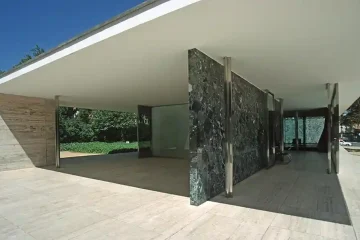
Minimalist Architecture: Less is More

"Less is more" The phrase "less is more," popularized by modernist architect Ludwig Mies van der Rohe, encapsulates the philosophy of minimalism: eliminating the superfluous to highlight the essential. In architecture, this principle not only defines an aesthetic style, but a way of life that prioritizes functionality, light, and read more

By Basilio, hace

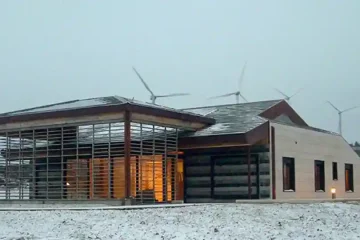
Bioclimatic Architecture in Spain: Sustainable Design Adapted to the Climate

Bioclimatic architecture in Spain is revolutionizing the construction sector, combining intelligent design, energy efficiency, and respect for the environment. This architectural approach takes advantage of local climatic conditions to create comfortable buildings with minimal resource consumption. In this article, we will explore the principles of bioclimatic architecture and its applications. read more

By Basilio, hace

Architectural design trends for 2025

The world of architecture is constantly transforming, responding to social, technological, and environmental changes. By 2025, architectural design trends will be shaped by sustainability, artificial intelligence, spatial flexibility, and connection with nature. This article explores the key innovations that will define architecture in the future. read more

By Basilio, hace