Urban Design: Creating Livable Cities
Livable cities prioritize the quality of life of their inhabitants through Accessible public spaces, efficient transportation, green areas, and social equity. Examples such as Copenhagen —where 62% of journeys are by bicycle— or Singapore —with their integration of vertical gardens and multimodal transportation—demonstrate that urban planning must balance functionality, sustainability, and community cohesion. The key is to design for people, not just for cars or real estate speculation.
History and evolution of urban design oriented towards habitability
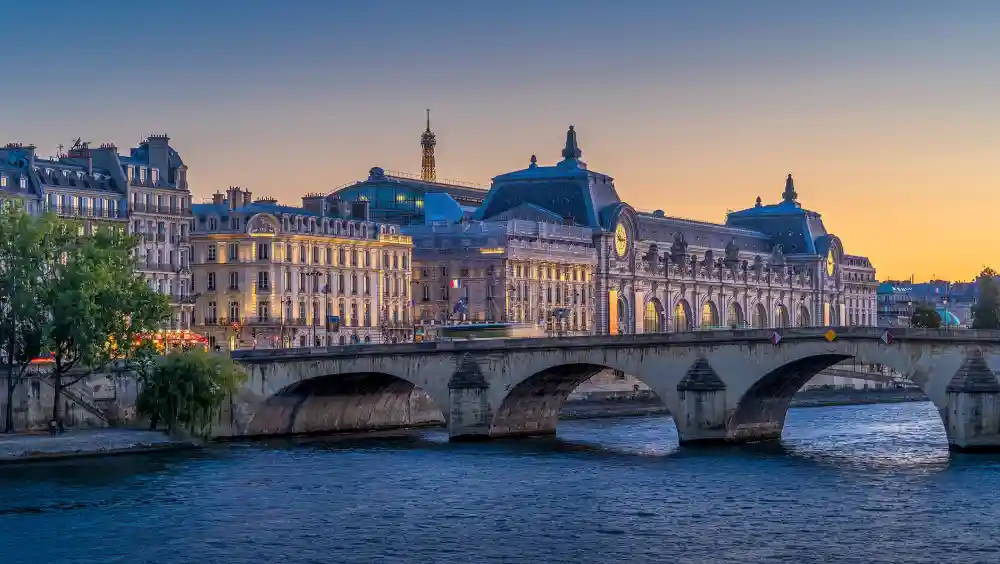
The concept of livable cities is not new. In the 19th century, the movement Garden City Ebenezer Howard's project proposed self-sufficient urban centers surrounded by nature. In the 20th century, projects such as Haussmann Plan in Paris (wide avenues and sewers) or the "New Urbanism" In the US (pedestrian-friendly and mixed-use neighborhoods) were milestones. Today, cities like Barcelona (with its superblocks that reduce traffic) or Vienna (leader in social housing) are benchmarks of design focused on collective well-being.
Key strategies for more livable cities
- Sustainable mobility: Integrated public transport networks (example: Curitiba, Brazil, pioneer in BRT since 1974).
- Green spaces: Urban parks and ecological corridors (example: Medellín, Colombia, with its 30 “library parks” in marginalized areas).
- Balanced density: Avoid uncontrolled expansion by promoting mixed uses (example: Amsterdam and its neighborhoods with shops, homes and offices nearby).
- Citizen participation: Platforms such as "Madrid Decides" allow neighbors to co-design urban projects.
Technology and sustainability: Pillars of the urban future
Smart cities (smart cities) use data and technology to improve livability. Singapore uses sensors to manage traffic and energy, while Freiburg (Germany) It's a model of a solar city with car-free neighborhoods. It also features innovative materials—such as CO₂-absorbing concrete—and water recycling systems (for example: San Francisco, USA) are essential to reducing environmental impact.
Challenges and inspiring examples
In Latin America, rapid urbanization demands creative solutions. Medellín transformed its violence into social innovation with cable cars connecting favelas and cultural centers. Montevideo promotes community gardens to combat food insecurity, and Mexico City reclaimed piped rivers to create linear parks. However, challenges such as gentrification and the lack of infrastructure in informal settlements persist, requiring inclusive policies and participatory design.
Creating livable cities is not a luxury, but a necessity in the face of the climate crisis and population growth. As cases like Oslo (carbon neutral by 2030) or Tokyo (Anti-seismic design), the combination of innovation, citizen participation, and respect for the natural environment is the formula for urban environments that prioritize human dignity and happiness. The future of cities depends on bold decisions today.

0 Comments