3D Printed Housing: The Revolution of Sustainable Construction
3D printing technology has revolutionized numerous industries and is now transforming the construction sector as well. 3D printed housing offers innovative and sustainable solutions to meet the growing demand for affordable housing. In this article, we will explore how this technology is changing the way homes are built and the benefits it offers both in terms of efficiency and sustainability.
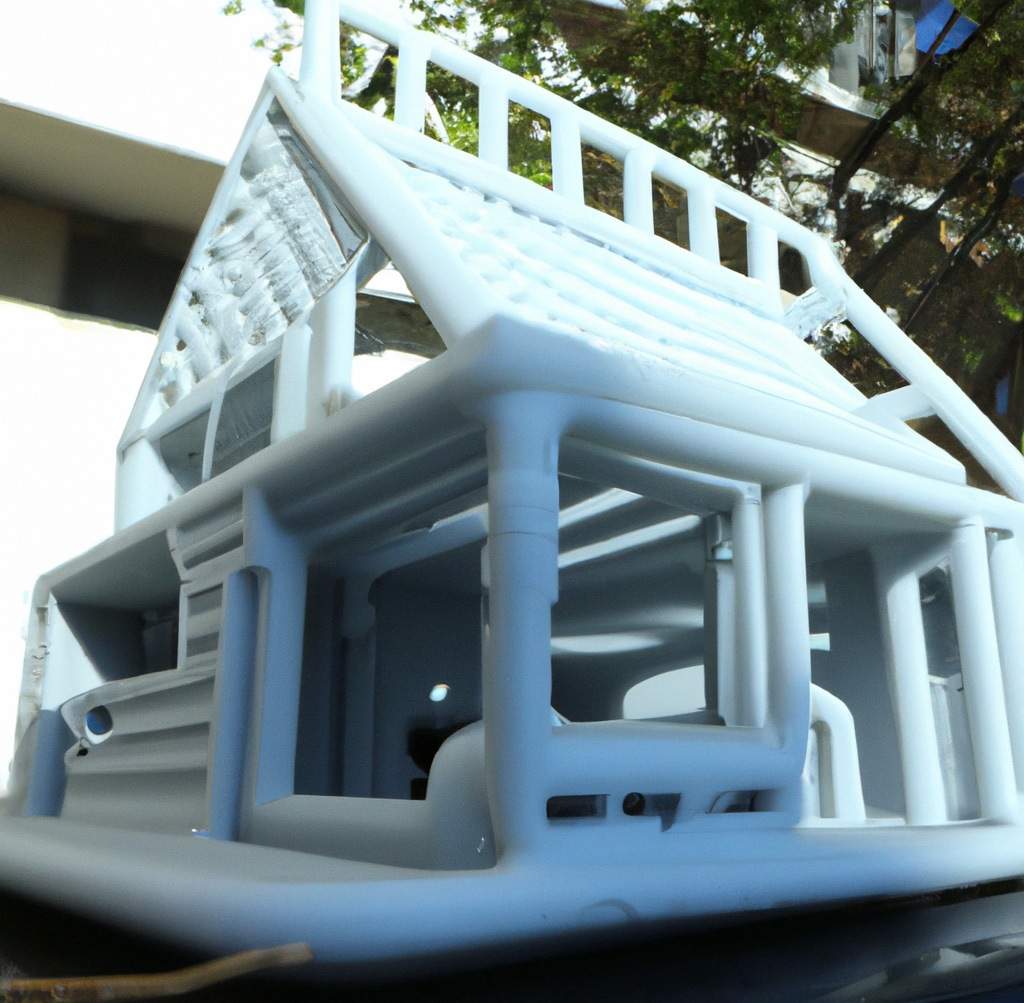
3D Printed Housing Technology
3D printed housing uses large printers that can manufacture entire housing structures using materials such as concrete. These printers extrude layers of material on top of each other, following a precise digital design. This approach allows homes to be built quickly and accurately, significantly reducing construction times compared to traditional methods. In addition, the precision of 3D printing ensures higher quality and strength in the final structure.
Benefits of 3D Printed Housing
3D printed housing offers a number of key benefits. Firstly, the speed of construction allows for a more agile response to emergency situations, such as natural disasters or humanitarian crises. In addition, this technology reduces construction costs by minimising the need for labour and speeding up completion times. In terms of sustainability, 3D printed housing produces less construction waste and can optimise the use of materials, avoiding waste. Furthermore, energy-efficient elements can be incorporated into the design of 3D printed homes, such as improved thermal insulation and renewable energy systems.
Challenges and Opportunities
Although 3D printed housing has great potential, it also faces challenges. One of them is the need to develop appropriate building regulations and standards for this type of housing. Furthermore, the lack of widespread awareness and acceptance may be an obstacle to its mass adoption. However, as the technology improves and its benefits are demonstrated, more people and governments are expected to consider this construction alternative.
The Future of Construction
Although printed housing has great potential, it also faces challenges. One of them is the need to develop appropriate building regulations and standards for this type of housing. Furthermore, the lack of widespread awareness and acceptance may be an obstacle to its mass adoption. However, as the technology improves and its benefits are demonstrated, more people and governments are expected to consider this construction alternative.


0 Comments